JUDICIAL INDEPENDENCE IN PALESTINE'S SHARĪʿAH COURTS: A JURISPRUDENTIAL-ANALYTICAL STUDY OF DECREE LAW NO. (8) OF 2021
DOI:
https://doi.org/10.31436/iiumlj.v33i2.1087Keywords:
Judicial Independence, Sharīʿah Judiciary, Constitutional Legislation, Judicial Safeguards, Decree Law 8/2021Abstract
The judiciary lies at the core of any legal system, grounded in the foundational maxim: “No law without a judiciary.” This principle highlights the intrinsic interdependence between legislation and adjudication—not only in form, but also in function, authority, and purpose. This study examines the principle of judicial independence within Palestine’s Sharīʿah judiciary by critically analysing its legal framework—particularly the Amended Basic Law, the Judicial Authority Law, and Decree-Law No. (8) of 2021 concerning the Sharīʿah court system. It also evaluates the extent to which these provisions align with Islamic juristic principles on judicial autonomy and impartiality. Using both inductive and comparative methodologies, the study examines statutory texts alongside authoritative sources of Islamic jurisprudence. It identifies the legal and Sharīʿah-based safeguards that uphold the independence of the Sharīʿah judges and assesses their practical implementation. The findings indicate that Decree-Law No. (8) of 2021 represents a significant shift toward reinforcing judicial independence after decades of reliance on foreign legal models. The study concludes by offering new and significant contributions through juristic recommendations for legislative reform, consistent legal interpretation, enhanced public awareness, and a strengthened integration of Islamic principles in judicial practice.
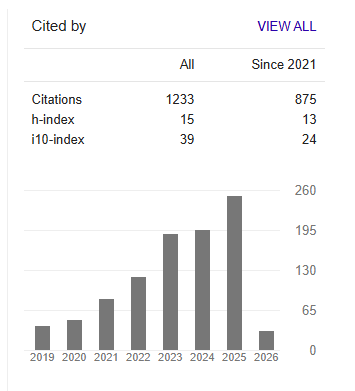
Metrics
References
Abdel Karim, Ramadan. "مبدأ استقلال القضاء دراسة مقارنة في الفقه الإسلامي والقانون الوضعي" [“The Principle of Judicial Independence.”] Majallat al-Ḥuqūq lil-Buḥūth al-Qānūniyyah wa al-Iqtiṣādiyyah, Special Issue (2012): 661–711.
Abdel-Baqi, Mustafa Hussein. "واقع النظام القضائي الفلسطيني: بين الاستقلال والفعالية" [“The Reality of the Palestinian Judicial System: Between Independence and Effectiveness.”] Dirāsāt, ʿUlūm al-Sharīʿah wa al-Qānūn 43, no. 4 (2016): 1611–24.
Abu Faris, Muḥammad ʿAbd al-Qādir. al-Qaḍāʾ fī al-Islām. Amman: Dār al-Furqān, 2009.
Abu Wahdan, Abdallah, and Amira Droubi. "استقلالية القضاء في المحاكم الشرعية: دراسة فقهية تحليلية لقرار بقانون رقم (8) لسنة 2021م بشأن القضاء الشرعي" [“Judicial Independence in Sharia Courts: A Jurisprudential-Analytical Study of Decree-Law No. 8/2021 on the Sharia Judiciary.”] Majallat al-Shari‘a wa al-Dirasat al-Islamiyya 13, no. 2 (2022): 233–68.
Agustian, Tomi, and Choirul Salimm. “The Problems of the Independence of Judicial Power in Indonesia.” Jurnal Mahkamah: Kajian Ilmu Hukum Dan Hukum Islam 6, no. 2 (2021): 163–80. https://doi.org/10.25217/jm.v6i2.1896.
Agustian, Tomi, Habiburrahman, and Rama Aryanda. “The Issues of Judicial Independence in Indonesia in Contemplation of Islamic Law.” Academic Journal of Law and Governance 1, no. 2 (2021): 159-73. http://doi.org/10.29240/negrei.v1i2.3531.
Al Hajjaji, Shams Al Din. “The Islamic Theory of Judicial Power and Malpractice of Some Muslim Judiciaries (Iran, Egypt, and Jordan).” Journal of International and Islamic Law 14, no. 2 (2018): 16–55.
Al Jazeera Net. "تحرير حماد: أول مأذونة شرعية في فلسطين" [“Tahreer Hammad: The First Female Sharīʿah Marriage Registrar in Palestine after Being Appointed by the Higher Judicial Council in 2015”] September 5, 2016. Accessed September 11, 2025. https://www.aljazeera.net/news/reportsandinterviews/2016/9/5/تحرير-حماد-أول-مأذونة-شرعية-في-فلسطين.
Al Muaither, Mona. "ولاية القضاء في الفقه الإسلامي والنظام السعودي" [“The Mandate of the Judiciary in Islamic Jurisprudence and the Saudi System.”] Majallat Kullīyat Al-Sharīʿa Wa al-Qānūn Bi-Tafahna al-Ashraf 27, no. 2 (2023): 1415–68. https://doi.org/10.21608/jfslt.2023.331009.
Al-Assaf, Najib. "شرائط تولية القضاء في الفقه والقانون" [“Conditions for Judicial Appointment in Islamic Jurisprudence and Law.”] Majallat al-Funūn wa al-Adab wa ʿUlūm al-Insāniyyāt wa al-Ijtimāʿ, no. 51 (2020): 269–97. https://doi.org/10.33193/JALHSS.51.2020.61.
al-Bayhaqī, Aḥmad bin al-Ḥusayn. al-Sunan al-Kubrā. Ed. Muḥammad ʿAbd al-Qādir ʿAṭā. Beirut: Dār al-Kutub al-ʿIlmiyya, 2003.
Al-Hakami, Ghazi. "مبادئ النظام القضائي في الإسلام وأثرها في بعض أنظمة القضاء المعاصرة" [“The Principles of the Judicial System in Islam and Their Impact on Some Contemporary Judicial Systems.”] Majallat al-Rāsikhūn 9, no. 4 (2023): 144–76.
al-Khathʾami, Abdullah. "القضاء في الفقه الإسلامي" [“The Judiciary in Islamic Jurisprudence.”] Majallat al-Buḥūth al-Fiqhiyyah wa al-Qānūniyyah, no. 42 (2023): 2145-2245. https://doi.org/10.21608/jlr.2023.214292.1216.
al-Māwardī, ʿAlī ibn Muḥammad. Al-Aḥkām al-Sulṭāniyyah. Cairo: Dār al-Ḥadīth, 2006.
Almugassiby, Hend Mohamed. "مبدأ استقلال القضاء" [“The Principle of Judicial Independence.”] Majallat al-‘Ulūm al-Qānūniyyah 10, no. 2 (2022): 122-41.
Al-Muhannadi, Muhammad Isa, and Nahla Abdulaziz Al-Sayyid. "استقلال القضاء في الفقه الإسلامي والقانون الوضعي" [“The Independence of the Judiciary in Islamic Jurisprudence and Positive Law.”] Majallat al-Buḥūth al-Qānūniyyah wa al-Iqtiṣādiyyah (al-Manṣūrah) 13, no. 83 (2023): 1–57. https://doi.org/10.21608/mjle.2023.300587.
al-Saḥīm, Muḥammad. Istiqlāl al-Qaḍāʾ fī al-Fiqh al-Islāmī . Riyadh: Dār Ibn al-Jawzī, 1436 H.
al-Sahlani, Murtadha. "استقلالية القضاء في الشريعة الإسلامية والقوانين الوضعية: دراسة مقارنة" [“Judicial Independence in Islamic Sharia and Positive Laws: A Comparative Study.”] Majallat Kulliyat al-Tarbiyah lil-ʿUlūm al-Insāniyyah 8, no. 3 (2018): 153–79.
Al-Samahi, Al-Mustafa. "استقلالية السلطة القضائية في الفقه الإسلامي: دراسة تأصيلية تحليلية" [“The Independence of the Judiciary in Islamic Jurisprudence: A Foundational and Analytical Study.”] Majallat al-Mudawwanah, no. 17–18 (2018): 404–20.
Al-Sharif, Tarad. “Istiqlāl al-Qaḍāʾ fī al-Sharīʿah al-Islāmiyyah wa Taṭbīqātuhu fī al-Mamlakah al-ʿArabiyyah al-Saʿūdiyyah.” Master’s thesis, Naif Arab University for Security Sciences, 2004.
al-Sijistānī, Abū Dāwūd Sulaymān. Sunan Abī Dāwūd. Edited by Muḥammad Muḥyī al-Dīn ʿAbd al-Ḥamīd. Beirut–Ṣaydā: al-Maktaba al-ʿAṣriyya, n.d.al-Sousi, Maher. Abrazu Khaṣāʾiṣi Fiqh al-Qaḍāʾ fī al-Islām . Gaza: Islamic University, 2009.
al-Ṭarābulusī, ʿAlī ibn Khalīl. Maʿīn al-Ḥukkām fīmā Yatarraddad Bayna al-Khaṣmayn min al-Aḥkām. Beirut: Dār al-Fikr, n.d.
Arliman, Laurensius. “The Role of Legal Research Methodology in the Development of Legal Science in Indonesia.” Soumatera Law Review 1, no. 1 (2018): 112–32. https://doi.org/10.22216/soumlaw.v1i1.3346.
Baltaib, Fatima. "حياد القاضي في ظل مبدأ استقلالية القضاء دراسة فقهية قانونية" [“The Neutrality of the Judge under the Principle of Judicial Independence: A Jurisprudential and Legal Study.”] Majallat Kulliyat al-Tarbiyah lil-ʿUlūm al-Insāniyyah 9, no. 2 (2017): 280-313.
Bloudnine, Ahmad. "طريقة تعيين القاضي بين الشريعة والقانون إحدى ضمانات استقلالية القضاء" [“The Method of Judicial Appointment between Sharīʿah and Law: A Guarantee of Judicial Independence.”] Majallat al-Fikr al-Qānūnī wa al-Siyāsī 7, no. 1 (2023): 1655–69.
European Court of Human Rights. Baka v. Hungary. Application no. 20261/12. Judgment of June 23, 2016, para. 145. Accessed September 13, 2025. https://hudoc.echr.coe.int/eng?i=001-144139.
Hallaq, Wael. Nashʾat al-Fiqh al-Islāmī wa Taṭawwuruhu. Beirut: Al-Madar Al-Islami, 2007.
Hamad, Ahmed, and Haslinda Mohd Anuar. “The Judiciary in Islamic Law, Palestinian Legislation, and Guarantees of Its Independence.” Jurnal Hukum Keluarga Dan Hukum Islam 5, no. 1 (2021): 1–22. https://doi.org/10.22373/sjhk.v5i1.8927.
Hamzani, Achmad Irwan, and Tiyas Vika Widyastuti. “Legal Research Method: Theoretical and Implementative Review.” International Journal of Membrane Science and Technology 10, no. 2 (2023): 3610–19. https://doi.org/10.15379/ijmst.v10i2.3191.
Husen, La Ode, and Said Sampara. “Independence and Accountability, Supreme Court in the Implementation: The Power of Judgment in Indonesia.” Imperial Journal of Interdisciplinary Research 3, no. 5 (2017): 1976–81.
Ibn ʿĀshūr, Muḥammad al-Ṭāhir. Maqāṣid al-Sharīʿah al-Islāmiyyah. Edited by Muḥammad al-Ḥabīb ibn al-Khūjah. Doha: Ministry of Awqāf and Islamic Affairs, 2004.
Ibn Qudāma, ʿAbd Allāh ibn Aḥmad. al-Mughnī. 3rd ed. Riyadh: Dār ʿĀlam al-Kutub li-l-Ṭibāʿa wa-l-Nashr wa-l-Tawzīʿ, 1997.
Institute of Law at Birzeit University. " قرار بقانون رقم (8) لسنة 2021م بشأن القضاء الشرعي" [“Decree Law No. 8 of 2021 on the Sharia Judiciary.”] Majallat al-Waqāʾiʿ al-Filasṭīniyyah , no. 177 (2021): 4–24.
Institute of Law at Birzeit University. "القانون الأساسي المعدّل" [“The Amended Basic Law.”] Majallat al-Waqāʾiʿ al-Filasṭīniyyah , Special Issue (2003): 5–48.
Institute of Law. "قرار بقانون رقم (1) لسنة 2011م بشأن القضاء الشرعي" [“Decree Law No. 1 of 2011 on the Sharīʿah Judiciary.”] Majallat al-Waqāʾiʿ al-Filasṭīniyyah, no. 90 (2011): 3–180.
Institute of Law. "قرار بقانون رقم (17) لسنة 2016م بشأن التنفيذ الشرعي" [“Decree Law No. 17 of 2016 on the Sharīʿah Enforcement.”] Majallat al-Waqāʾiʿ al-Filasṭīniyyah, no. 125 (2016): 1–133.
Institute of Law. "قرار بقانون رقم (3) لسنة 2012م بشان القضاء الشرعي" [“Decree Law No. 3 of 2012 on the Sharīʿah Judiciary.”] Majallat al-Waqāʾiʿ al-Filasṭīniyyah, no. 93 (2012): 1–156.
Kamal, Mohd Hisham Mohd. “An Islamic Perspective on the Rule of Law.” IIUM Law Journal 30, no. 2 (2022): 201–25. https://doi.org/10.31436/iiumlj.v30i2.750.
Laliashvili, Tamar. “The Importance and Guarantees of the Judiciary Independence.” Law and World 7, no. 1 (2021): 58–74. https://doi.org/10.36475/7.1.6.
Wakālat Maʿan al-Ikhbāriyyah. "افتتاح محكمة بديا الشرعية" [“Inauguration of the Bedia Sharīʿah Court.”]. April 4, 2021. Accessed September 10, 2025. https://www.maannews.net/news/2036709.html.
Madi, Sabah Faraj. "استقلال القضاء ووسائل حمايته: دراسة في ضوء الشريعة الإسلامية والدستور الليبي" [“The Independence of the Judiciary and the Means of Its Protection: A Study in Light of Islamic Sharīʿah and the Libyan Constitution.”] PhD diss., University of Malaya, 2017.
Palestinian Centre for Human Rights (PCHR). “Judicial Independence Will Not Be Achieved Through Laws by Decree by the Head of the Executive Authority.” January 13, 2021. Accessed September 11, 2025. https://pchrgaza.org/judicial-independence-will-not-be-achieved-through-laws-by-decree-by-the-head-of-the-executive-authority/.
Permadi, Restu, and Fifiana Wisnaeni. “A Legal Review of the Autonomy and Independence of the Supreme Court within the Indonesian Constitutional System.” Jurnal Pembangunan Hukum Indonesia 2 (2020): 399–415. https://doi.org/10.14710/jphi.v2i3.
Rehman, Ata, Mazlan Ibrahim, and Ibrahim Abu Bakar. “The Concept of Independence of Judiciary in Islam.” International Journal of Business and Social Science 4, no. 2 (2013): 67-75.
Rejjabbayevich, Rakhmanov Abdumukhtor. “Judicial System of Islamic Law.” European Journal of Research Development and Sustainability 5, no. 7 (2024): 20–24. https://www.scholarzest.com.
Shalabi, Alaa. Istiqlāl al-Qaḍāʾ wa Dawruhu fī Ḍamān ʿAdālat al-Muḥākamāt. Gaza: Al-Mezan Center for Human Rights, 2021.
Silini, Karima. “The Impact of Judicial Immunity on Judges’ Liability in Islamic Jurisprudence and Positive Law.” Journal of Scientific Research and Islamic Studies 10, no. 2 (2017): 63–105.
Tuan Mat, Tun Tengku Maimun. “Judicial Integrity in Strengthening the Nation.” IIUM Law Journal 31, no. 2 (2023): 1-26. https://doi.org/10.31436/iiumlj.v31i2.881.
United Nations General Assembly. Basic Principles on the Independence of the Judiciary. Res. 40/32 (November 29, 1985) and Res. 40/146 (December 13, 1985). Accessed September 12, 2025. https://www.ohchr.org/en/instruments-mechanisms/instruments/basic%20principles-independence-judiciary.
United Nations. Basic Principles on the Independence of the Judiciary. Seventh United Nations Congress on the Prevention of Crime and the Treatment of Offenders, Milan, August 26–September 6, 1985. Endorsed by General Assembly Resolutions 40/32 (November 29, 1985) and 40/146 (December 13, 1985). Accessed September 15, 2025. https://www.ohchr.org/en/instruments mechanisms/instruments/basic-principles-independence-judiciary.
ʿUthmān, Muḥammad Raʾfat. al-Niẓām al-Qaḍāʾī fī al-Fiqh al-Islāmī. 2nd ed. Beirut: Dār al-Bayān, 1994.
Wasel, Nasr. al-Sulṭah al-Qaḍāʾiyyah wa Niẓām al-Qaḍāʾ fī al-Islām . Cairo: al-Maktaba al-Tawfiqiyya, n.d.
World Justice Project. Rule of Law Index 2023. Washington, DC: World Justice Project, 2023. Accessed September 14, 2025. https://worldjusticeproject.org/rule-of-law-index.Zaidan, Abdul Karim. Niẓām al-Qaḍāʾ fī al-Sharīʿah al-Islāmiyyah . Beirut: Al-Resalah Publishing House, 1989.
Downloads
Published
How to Cite
Issue
Section
License
© Copyright 1993-2026 IIUM Press
The IIUM Law Journal is licensed under a Creative Commons Attribution-NonCommercial 4.0 International License.
- Consent to publish: The Author(s) undertakes that the article named above is original and consents that the IIUM Press publishes it.
- Previous publication: The Author(s) guarantees that the article named above has not been published before in any form, that it is not concurrently submitted to another publication, and that it does not infringe anyone’s copyright. The Author(s) holds the IIUM Press and Editors of IIUM Law Journal harmless against all copyright claims.
- Transfer of copyright: The Author(s) hereby transfers the copyright of the article to the IIUM Press, which shall have the exclusive and unlimited right to publish the article in any form, including on electronic media. The Journal in turn grants the Author(s) the right to reproduce the article for educational and scientific purposes, provided the written consent of the Publisher is obtained.